


Road safety has improved significantly over the past few decades because of rapid advancements in automotive engineering. Modern vehicles are no longer designed only for transportation and comfort. Today’s cars are built with intelligent safety systems that help drivers avoid accidents, reduce human error, and protect passengers during collisions.
Automotive manufacturers now integrate advanced sensors, artificial intelligence, high-strength materials, and real-time monitoring systems into vehicle design. These innovations allow modern vehicles to respond faster and more accurately than ever before. As technology continues to evolve, road safety is becoming one of the most important priorities in the automotive industry.
The Evolution of Automotive Safety
Vehicle safety has changed dramatically since the early days of the automobile industry. Older vehicles relied mostly on basic mechanical systems, and safety features were minimal. Seat belts, padded dashboards, and airbags were once considered groundbreaking technologies.
Modern automotive engineering takes a far more advanced approach. Engineers now focus on two major safety goals:
- Preventing accidents before they occur
- Minimizing injuries when collisions happen
This approach has led to the development of active and passive safety systems that work together to create safer roads.
Active Safety Systems
Active safety systems are designed to prevent accidents by assisting drivers during everyday driving situations.
Examples include:
- Anti-lock braking systems
- Electronic stability control
- Lane departure warning systems
- Adaptive cruise control
- Blind spot monitoring
- Automatic emergency braking
These technologies continuously monitor driving conditions and help drivers react more effectively to potential dangers.
Passive Safety Systems
Passive safety systems help protect passengers during a collision.
Common passive safety features include:
- Airbags
- Seat belts
- Crumple zones
- Reinforced passenger cabins
- Side-impact protection beams
Modern vehicles combine both active and passive safety technologies to improve overall protection.
Advanced Driver Assistance Systems Improve Safety
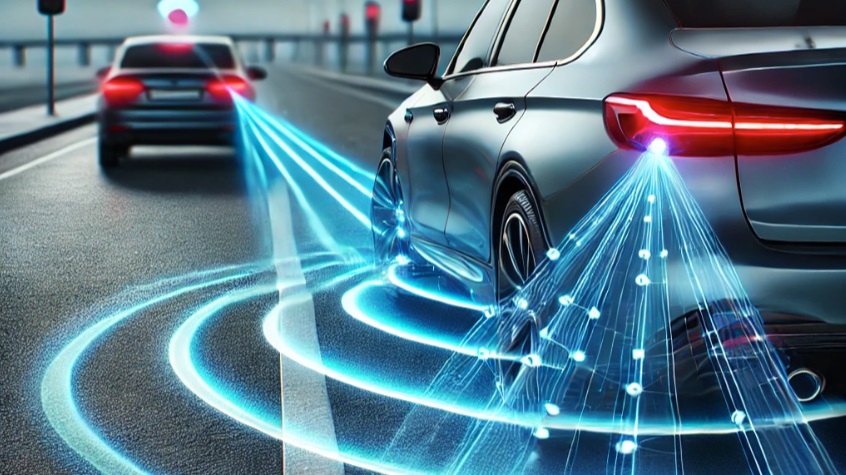
One of the biggest innovations in automotive engineering is the development of Advanced Driver Assistance Systems, often called ADAS. These systems use cameras, radar sensors, ultrasonic sensors, and software algorithms to monitor the environment around the vehicle.
ADAS technologies help drivers avoid dangerous situations and reduce the likelihood of accidents.
Automatic Emergency Braking
Automatic emergency braking systems detect obstacles or vehicles ahead and automatically apply the brakes if the driver fails to react quickly enough.
This technology is especially effective in preventing rear-end collisions and reducing crash severity in urban traffic.
Lane Keeping Assistance
Lane keeping systems monitor lane markings on the road and warn drivers if the vehicle begins drifting unintentionally. Some systems can even gently steer the vehicle back into its lane.
This feature is particularly useful during long-distance driving and helps reduce accidents caused by distraction or fatigue.
Blind Spot Detection
Blind spot monitoring systems use sensors to detect vehicles that may not be visible in side mirrors. Drivers receive visual or audio alerts before changing lanes.
This technology significantly lowers the risk of side-impact collisions.
Adaptive Cruise Control
Adaptive cruise control automatically adjusts vehicle speed based on surrounding traffic conditions. The system maintains a safe following distance and reduces the need for constant manual braking and acceleration.
This feature improves both safety and driver comfort on highways.
Improved Braking Systems Enhance Vehicle Control
Modern braking technology has evolved far beyond traditional hydraulic systems. Today’s vehicles use intelligent braking systems that improve control and stability during emergencies.
Anti-Lock Braking Systems
Anti-lock braking systems prevent wheels from locking during sudden braking situations. This allows drivers to maintain steering control while stopping quickly.
The system is particularly effective on wet or slippery roads.
Electronic Stability Control
Electronic stability control helps drivers maintain control when the vehicle begins to skid or lose traction.
Sensors monitor wheel speed, steering direction, and vehicle movement. If instability is detected, the system automatically applies braking force to specific wheels to stabilize the vehicle.
This technology has played a major role in reducing rollover accidents and loss-of-control crashes.
Brake Assist Technology
Brake assist systems detect emergency braking situations and apply additional braking pressure when necessary.
Many drivers do not press the brake pedal hard enough during panic situations. Brake assist compensates for this hesitation and helps reduce stopping distances.
Stronger Vehicle Structures Protect Occupants
Modern automotive engineering places heavy emphasis on structural safety. Vehicle frames are now designed to absorb crash energy while protecting passengers inside the cabin.
Crumple Zones
Crumple zones are specially engineered sections of a vehicle that collapse during a collision. These areas absorb impact energy and reduce the force transferred to occupants.
This design helps lower the risk of serious injuries.
Reinforced Passenger Cabins
Modern vehicles use high-strength steel, aluminum alloys, and reinforced structural components to create stronger passenger compartments.
These reinforced cabins help maintain survival space during severe accidents.
Side-Impact Protection
Side-impact crashes can be extremely dangerous because there is less space between passengers and the point of impact.
To improve protection, manufacturers install:
- Reinforced door beams
- Side curtain airbags
- Energy-absorbing materials
These features help reduce injuries during side collisions.
Artificial Intelligence Is Transforming Road Safety
Artificial intelligence is becoming one of the most important elements in automotive safety engineering. AI systems analyze massive amounts of data in real time and make rapid driving decisions.
AI-powered safety systems can:
- Detect pedestrians and cyclists
- Predict collision risks
- Monitor driver behavior
- Identify unsafe road conditions
- Improve traffic flow management
Machine learning technology also allows vehicles to improve performance over time by learning from driving patterns and road situations.
As autonomous driving technology develops further, artificial intelligence will play an even larger role in accident prevention.
Driver Monitoring Systems Reduce Distracted Driving
Distracted driving remains a major cause of traffic accidents worldwide. To address this issue, automotive engineers have developed advanced driver monitoring systems.
These systems use cameras and sensors to track:
- Eye movement
- Head position
- Driver attention levels
- Fatigue signs
- Steering behavior
If the system detects drowsiness or distraction, it warns the driver through visual alerts, sounds, or steering wheel vibrations.
Some modern vehicles can even slow down automatically if the driver becomes unresponsive.
Connected Vehicle Technology Improves Awareness
Connected vehicle technology allows vehicles to communicate with each other and with road infrastructure. This communication system is often called Vehicle-to-Everything technology.
Connected systems can share important information about:
- Traffic congestion
- Road hazards
- Sudden braking events
- Weather conditions
- Construction zones
This real-time communication helps drivers make safer decisions and avoid dangerous situations before they become visible.
In the future, connected transportation networks could significantly reduce accidents caused by poor visibility and delayed reactions.
Electric Vehicles Introduce New Safety Benefits
Electric vehicles have introduced additional safety improvements due to their advanced electronic systems and unique structural designs.
Many electric vehicles offer:
- Lower centers of gravity
- Improved weight distribution
- Enhanced traction control
- Faster electronic response systems
- Advanced regenerative braking
Because electric vehicle batteries are usually mounted low in the chassis, these vehicles often provide better stability and lower rollover risk.
Manufacturers also design battery protection systems to reduce fire risks during collisions.
Autonomous Driving Technology Continues to Advance
Self-driving technology is one of the most discussed developments in modern automotive engineering. Autonomous vehicles use sensors, cameras, radar systems, and artificial intelligence to navigate roads with minimal human input.
Although fully autonomous vehicles are still under development, many current vehicles already include semi-autonomous features such as:
- Automatic parking
- Traffic jam assistance
- Highway driving support
- Hands-free driving systems
The ultimate goal of autonomous technology is to reduce accidents caused by human error, which accounts for the majority of traffic collisions.
Pedestrian Safety Is Receiving Greater Attention
Modern safety engineering is no longer focused only on protecting vehicle occupants. Engineers are also improving pedestrian protection systems.
Many vehicles now include:
- Pedestrian detection systems
- Automatic emergency braking for pedestrians
- Softer front-end designs
- Pop-up hoods that reduce impact force
These innovations help reduce injuries during pedestrian accidents, especially in crowded urban environments.
The Future of Automotive Safety Engineering
The future of automotive safety will likely involve greater automation, smarter infrastructure, and more advanced artificial intelligence systems.
Future safety innovations may include:
- Fully autonomous emergency response systems
- AI-controlled traffic management
- Vehicle communication networks
- Real-time driver health monitoring
- Predictive accident prevention systems
As technology continues to improve, vehicles will become even more capable of identifying and avoiding hazards before accidents occur.
Conclusion
Modern automotive engineering has transformed road safety through intelligent technology, advanced structural design, and real-time driver assistance systems. Vehicles today are equipped with sophisticated features that help prevent accidents, protect passengers, and improve overall driving awareness.
Innovations such as automatic emergency braking, electronic stability control, artificial intelligence, and connected vehicle communication are reducing human error and making roads safer for everyone.
As automotive technology continues to evolve, the future of transportation will likely become even safer, smarter, and more efficient. The combination of engineering innovation and intelligent safety systems will continue shaping the next generation of road safety solutions.
Frequently Asked Questions
1. What is the purpose of active safety systems in vehicles?
Active safety systems are designed to prevent accidents by assisting drivers with braking, steering, stability, and hazard detection.
2. How do modern cars detect nearby vehicles?
Modern vehicles use radar sensors, cameras, ultrasonic sensors, and artificial intelligence software to monitor surrounding traffic.
3. Why are crumple zones important in vehicle design?
Crumple zones absorb collision energy during an accident, reducing the force transferred to passengers inside the vehicle.
4. What role does artificial intelligence play in automotive safety?
Artificial intelligence analyzes driving data in real time to detect hazards, assist drivers, and improve accident prevention systems.
5. How does electronic stability control improve driving safety?
Electronic stability control helps prevent skidding and loss of control by automatically adjusting braking force to individual wheels.
6. Are electric vehicles safer than traditional gasoline vehicles?
Electric vehicles can offer safety advantages such as improved stability, lower rollover risk, and advanced electronic safety systems.
7. How can connected vehicle technology reduce accidents?
Connected vehicle systems share real-time traffic and hazard information, helping drivers react more quickly to dangerous road conditions.
