


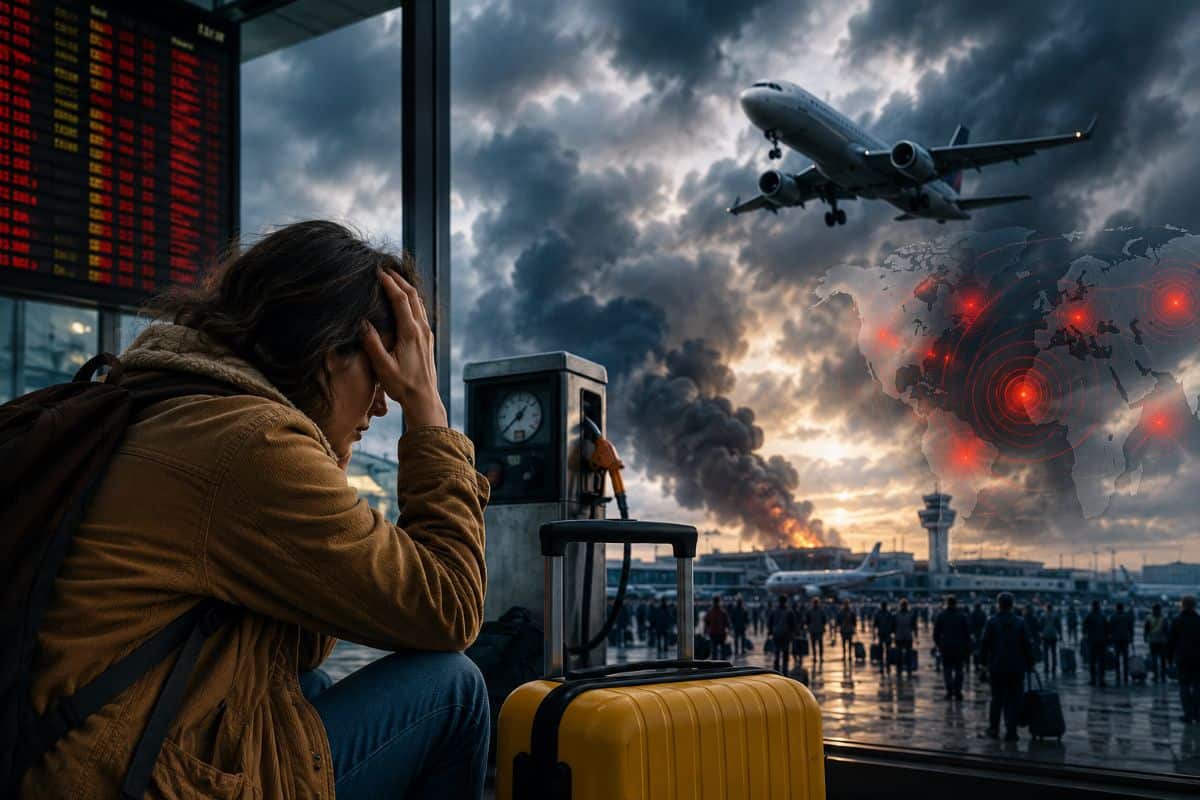
Travel insurance has become an essential part of modern travel planning, especially as global travel becomes more unpredictable. Flight cancellations, medical emergencies, natural disasters, political unrest, and sudden border restrictions can quickly turn a routine trip into a financial and logistical crisis. While many travelers purchase insurance expecting complete protection, significant coverage gaps often leave them vulnerable when emergencies occur.
Many travelers assume that all travel insurance policies provide broad protection against every possible disruption. In reality, travel insurance policies contain exclusions, limitations, and conditions that may prevent claims from being approved during critical situations. Understanding these gaps is important because even experienced travelers can face unexpected expenses and limited support during emergencies abroad.
As international travel risks continue evolving, travel insurance providers, travelers, and governments are facing growing pressure to improve transparency, coverage standards, and crisis response systems.
Understanding Travel Insurance Coverage
Travel insurance is designed to provide financial protection and emergency assistance during travel-related disruptions or emergencies.
Most policies typically include coverage for:
- Trip cancellation
- Trip interruption
- Medical emergencies
- Emergency evacuation
- Lost baggage
- Travel delays
- Accidental death coverage
However, coverage varies significantly between providers, policy types, destinations, and pricing levels.
The details hidden within policy wording often determine whether a traveler receives compensation during a crisis.
Many Travelers Misunderstand Policy Limitations
One of the biggest problems with travel insurance is that many consumers do not fully understand what their policies actually cover.
Travelers frequently assume that purchasing insurance guarantees protection against all disruptions. However, insurers often apply strict conditions and exclusions.
Common misunderstandings involve:
- Pandemic-related cancellations
- Pre-existing medical conditions
- Civil unrest coverage
- Weather disruptions
- Airline bankruptcy
- High-risk activities
When travelers encounter emergencies, they may discover that important situations are excluded from their policies.
This misunderstanding creates frustration and financial vulnerability during already stressful circumstances.
Medical Coverage Gaps Create Serious Risks
Medical emergencies abroad are among the most expensive travel-related risks.
Although many travel insurance policies include emergency medical coverage, limitations often apply regarding:
- Coverage caps
- Hospital networks
- Pre-authorization requirements
- Medical evacuation eligibility
- Excluded treatments
In some countries, emergency healthcare costs can become extremely high, especially if hospitalization or air evacuation becomes necessary.
Travelers with inadequate medical coverage may face:
- Large out-of-pocket expenses
- Delayed treatment
- Limited hospital access
- Financial hardship
Medical evacuation alone can cost tens of thousands of dollars depending on location and severity.
Pre-Existing Conditions Are Frequently Excluded
Pre-existing medical conditions represent one of the most common travel insurance gaps.
Insurers often define pre-existing conditions broadly, including illnesses or treatments that occurred months before policy purchase.
Coverage exclusions may apply to:
- Chronic illnesses
- Heart conditions
- Diabetes
- Cancer treatment
- Mental health conditions
- Pregnancy-related complications
Some policies offer limited waivers for pre-existing conditions if travelers purchase coverage shortly after booking their trips.
However, many travelers overlook these requirements and assume they are fully protected.
During medical emergencies abroad, denied claims related to pre-existing conditions can create severe financial exposure.
Pandemic Coverage Exposed Major Weaknesses
The global pandemic revealed major weaknesses within the travel insurance industry.
Many travelers discovered that their policies did not cover:
- Border closures
- Government travel restrictions
- Pandemic-related cancellations
- Quarantine expenses
- Fear-based trip cancellations
Although some policies covered medical treatment for illness abroad, many excluded broader travel disruptions associated with public health emergencies.
The pandemic highlighted how quickly large-scale crises can overwhelm traditional insurance models.
Insurers later introduced specialized pandemic coverage options, but policy complexity remains a major challenge for consumers.
Natural Disasters Often Trigger Coverage Disputes
Natural disasters can severely disrupt travel plans and create emergency situations requiring evacuation or relocation.
Events such as:
- Hurricanes
- Earthquakes
- Wildfires
- Flooding
- Volcanic eruptions
May result in canceled flights, damaged accommodations, or unsafe travel conditions.
However, travel insurance claims related to natural disasters may depend on specific timing rules and policy language.
For example, coverage may not apply if:
- The disaster was foreseeable before booking
- Government warnings existed beforehand
- Travelers delayed purchasing insurance
Disputes often arise over whether a disaster qualified as an unforeseeable event.
Political Unrest and Security Risks Complicate Claims
Political instability, terrorism, and civil unrest have become growing concerns for international travelers.
Many travelers assume travel insurance automatically covers emergency evacuations during political crises, but exclusions frequently apply.
Coverage limitations may involve:
- Declared war zones
- Civil disturbances
- Terrorism exclusions
- Government evacuation orders
- Destination-specific restrictions
In unstable regions, travelers may struggle to access transportation, medical services, or embassy assistance during emergencies.
Insurance policies may not fully address the complexity of geopolitical crises.
Airline Failures Leave Travelers Financially Vulnerable
Airline bankruptcies and operational collapses can leave travelers stranded or unable to recover prepaid travel expenses.
Not all travel insurance policies include protection against airline insolvency.
Even when coverage exists, reimbursement processes may involve:
- Long claim investigations
- Limited compensation caps
- Documentation requirements
- Delayed payments
Travelers relying heavily on budget airlines or regional carriers may face greater financial exposure if companies cease operations suddenly.
Airline disruptions became especially visible during global travel shutdowns and economic downturns.
Adventure Travel Frequently Falls Outside Standard Coverage
Adventure tourism has grown rapidly, but many standard travel insurance policies exclude higher-risk recreational activities.
Common exclusions may include:
- Scuba diving
- Mountain climbing
- Skiing
- Skydiving
- Motorcycle riding
- Extreme sports
Travelers often fail to verify whether their activities are covered before departure.
Medical emergencies involving excluded activities may result in denied claims and substantial personal expenses.
Specialized adventure travel insurance is often necessary for higher-risk travel experiences.
Delayed Claims Processing Creates Additional Stress
Even when policies technically provide coverage, travelers may experience significant delays during claims processing.
Common challenges include:
- Extensive paperwork
- Missing documentation
- Medical record verification
- Communication barriers
- Complex reimbursement procedures
During crises, travelers may need immediate financial assistance rather than delayed reimbursement weeks or months later.
Slow claims handling can increase stress and financial pressure during emergencies abroad.
Credit Card Travel Protection Has Limitations
Many travelers rely on travel protections included with premium credit cards.
Although these benefits can provide useful coverage, they often contain important limitations.
Credit card travel insurance may offer:
- Limited medical coverage
- Lower reimbursement caps
- Restricted cancellation protection
- Limited emergency assistance
Travelers sometimes overestimate the protection provided by credit card benefits and fail to purchase supplemental insurance.
This can create major coverage gaps during serious emergencies.
Digital Nomads Face Unique Insurance Challenges
The rise of remote work and long-term international travel has created new insurance challenges for digital nomads.
Traditional travel insurance policies are often designed for short-term trips rather than extended stays abroad.
Long-term travelers may face issues involving:
- Policy expiration
- Residency status complications
- Ongoing medical care
- Multi-country coverage
- Employment-related liability
Standard travel insurance products may not fully address the needs of globally mobile professionals.
Specialized international health and mobility insurance plans are becoming increasingly important.
Travel Assistance Services Vary Significantly
Travel insurance often includes emergency assistance services such as:
- Medical referrals
- Emergency transportation
- Translation support
- Legal assistance
- Lost document help
However, the quality and responsiveness of these services vary widely between providers.
During crises, travelers may encounter:
- Slow response times
- Limited local coordination
- Language barriers
- Inadequate evacuation planning
Reliable assistance infrastructure is often just as important as financial reimbursement.
Climate Change Is Increasing Travel Risk Exposure
Climate-related disruptions are becoming more common across global travel networks.
Travelers increasingly face:
- Severe weather events
- Wildfires
- Flooding
- Extreme heat
- Transportation disruptions
As climate risks grow, insurance providers are reassessing pricing models, exclusions, and coverage structures.
Some insurers may increase premiums or limit coverage for destinations with elevated climate risk exposure.
Travelers may need to evaluate destination-specific environmental risks more carefully before purchasing coverage.
Insurance Policy Language Can Be Difficult to Understand
Travel insurance policies often contain highly technical legal language that many consumers struggle to interpret.
Complex terminology may involve:
- Force majeure clauses
- Exclusion definitions
- Benefit limitations
- Coverage triggers
- Documentation standards
This complexity contributes to misunderstanding and unrealistic coverage expectations.
Clearer communication and simplified policy explanations could improve consumer awareness significantly.
Technology Is Changing Travel Insurance Models
Insurance technology platforms are improving how policies are sold, managed, and processed.
Modern travel insurance innovations include:
- Real-time claims tracking
- Automated reimbursement systems
- Mobile emergency assistance apps
- AI-driven risk assessment
- Digital medical support services
Technology may help improve transparency and customer experience in the future.
However, technology alone cannot eliminate the structural coverage limitations that exist within many policies.
Travelers Must Evaluate Risk More Carefully
Modern travel environments are more unpredictable than ever.
Travelers now face combined risks involving:
- Health emergencies
- Cybersecurity threats
- Political instability
- Transportation disruptions
- Climate events
Choosing appropriate travel insurance requires careful review of policy details rather than relying solely on marketing claims.
Travelers should compare:
- Medical coverage limits
- Evacuation protection
- Exclusion clauses
- Pandemic policies
- Adventure activity coverage
- Claims procedures
Better preparation can reduce financial exposure during emergencies.
The Future of Travel Insurance
The travel insurance industry will likely continue evolving as global risks become more complex.
Future trends may include:
- More customizable policies
- Expanded pandemic coverage
- AI-based underwriting
- Climate risk pricing
- Real-time travel monitoring
- Integrated digital assistance services
Consumers are demanding greater transparency, flexibility, and crisis responsiveness from insurers.
Providers that improve trust and simplify policy structures may gain stronger competitive advantages.
Conclusion
Travel insurance remains an important safeguard for modern travelers, but significant coverage gaps continue leaving many people exposed during crises. Medical emergencies, pandemics, natural disasters, political instability, and airline disruptions have revealed weaknesses in traditional travel insurance models.
Many travelers mistakenly assume their policies provide complete protection, only to discover exclusions and limitations during emergencies. Understanding policy details, coverage restrictions, and claims procedures is essential for reducing financial and logistical risks abroad.
As global travel becomes increasingly unpredictable, both travelers and insurers must adapt to evolving threats and rising expectations for reliable crisis protection.
Frequently Asked Questions
1. What does travel insurance usually cover?
Travel insurance commonly covers trip cancellations, medical emergencies, lost baggage, travel delays, and emergency evacuation assistance.
2. Why are pre-existing medical conditions often excluded?
Insurers consider pre-existing conditions higher risk and may exclude them unless travelers purchase specialized coverage or waivers.
3. Does travel insurance always cover pandemics?
No, many traditional policies exclude pandemic-related disruptions such as border closures, quarantines, or government travel restrictions.
4. Are adventure sports covered by standard travel insurance?
Many standard policies exclude high-risk activities such as skiing, scuba diving, and mountain climbing unless additional coverage is purchased.
5. Can credit card travel protection replace travel insurance?
Credit card protections may provide limited benefits but often lack comprehensive medical coverage and emergency assistance services.
6. Why do travel insurance claims sometimes get denied?
Claims may be denied due to exclusions, missing documentation, policy limitations, or failure to meet coverage requirements.
7. How can travelers reduce insurance coverage gaps?
Travelers can reduce gaps by reviewing policy terms carefully, comparing providers, purchasing specialized coverage when necessary, and understanding exclusions before departure.
